Singing is the most widespread and most accessible form of art today. So, you have an uncontrollable desire to record a song, and you have good vocal skills. You will naturally choose the most suitable recording studio for yourself, guided by many factors: perhaps the first in the list will be the price but do not forget about the equipment, which is undoubtedly essential for a sound recording. Years of experience and reputation as a sound engineer, recommendations of vocalists will also play an important role.
Do not forget to listen to examples of finished works that came out of the studio’s walls. The sound engineer plays a crucial role in this process, as he creates a future hit from your voice.
Imagine that after analyzing all of the above points, you have chosen an ideal studio for your future hit and have a lot of work to do. So, where to start first? You already know what you are capable of, but you should not consider this the maximum.
Let’s analyze the points of preparation for recording vocals in the studio.
Prepare a pre-recorded backing track for the song
Many aspiring musicians cannot afford to waste time in a recording studio. If you want to get a high-quality recording with minimal costs that the audience will pay attention to, then do not rush to the studio and practice at home using your material.
Vocal technique
One of the essential aspects of good vocals recording in a recording studio is technique. Decide on your key that you can pick confidently without overloading your voice. Pay attention to breathing; the voice-forming exhalation should be many times higher than the life (everyday) one to strike the highest and longest notes.
Train your vocal cords as much as possible daily to avoid future injury. Before you come to the recording, learn the text and the melody (the monitor is in front of your eyes in modern studios only for emergency help if you are nervous and have forgotten the words). Understand for yourself if you can “reveal this song” as well as you want to convey to future listeners.
Work on the emotional component that your song brings to the audience
We figured out the technical details of singing when recording vocals in a recording studio, and now our task is to convey the emotions you want to show in the song. Please pay attention to the combination of the style of the music and the atmosphere it carries. We need listeners to feel and immerse themselves, listening to the song, in the emotions that we convey to them.
Sing like for a concert hall
After going through digital processing, your voice should captivate the listener. Come to the studio with the same energy and attitude as you would for a concert. During the recording, being in the vocal room, introduce the crowd of fans who love you and sing for them, remember you are their idol and cannot disappoint them.
Relax before recording vocals
If you feel tired or sick before the scheduled recording, it is good to reschedule the recording. Be sure to rest more before recording, do not get involved in conflict situations that can make you nervous and play on your emotional state and voice. Warm-ups in the morning and long walks in the fresh air will help you always feel in good shape and in a good mood.
Correct microphone position
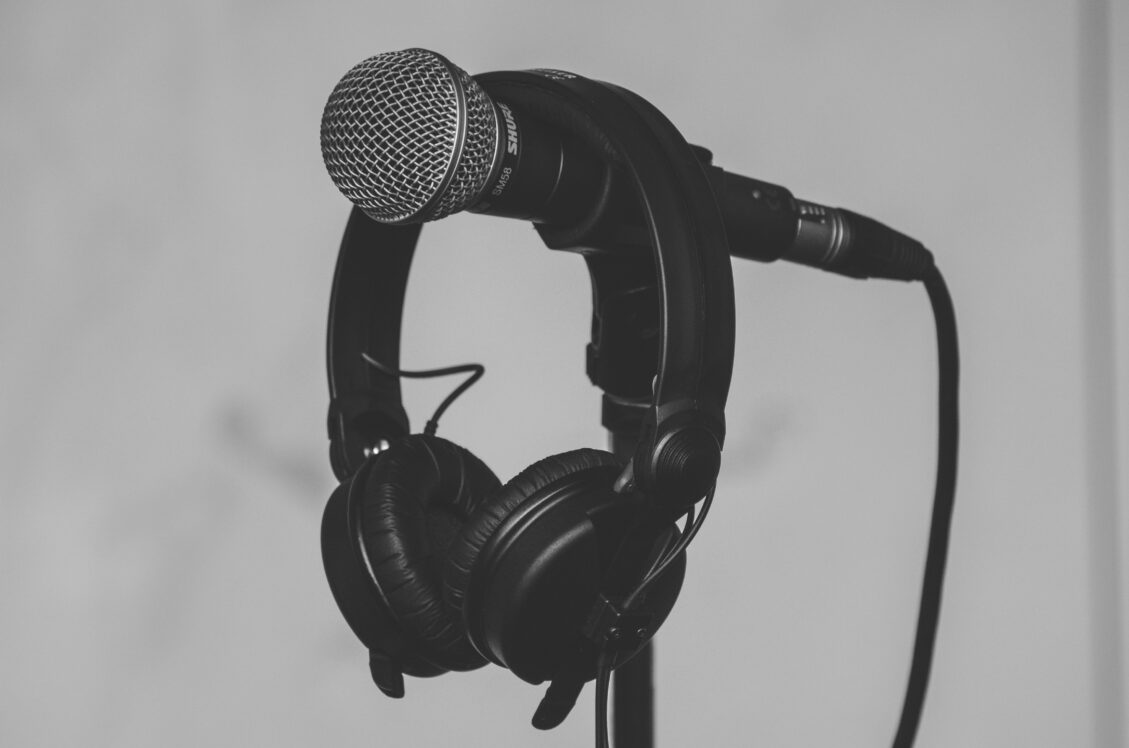
Pay close attention to the distance you sing from the microphone. Try not to stand far away (your recording will sound quiet) or, conversely, close (it will be deafening). When recording, try to keep movement at the microphone to a minimum; this will reduce the noise you create with your actions and work at the same volume. A slight distance from the microphone is allowed when playing a very high or loud note in order to eliminate unwanted overloads on the recording.
Sing out before you start recording vocals
So, you have arrived at the studio, but do not rush and run to the vocal room. For a high-quality recording and a minimum investment of time, we need a flexible and sung voice, which we have no right to rip or overextend. Warm up your vocal cords for 10-15 minutes or sing your backing track 2-3 times, catch your breath, focus on something good, and in no case worry. If you feel tired while recording, then take a short pause; it will help you recuperate and make a good recording. Now we can go to the microphone and make hits for the radio.
Recording vocals in several takes
You may need to re-record individual phrases or passages. There is nothing terrible and offensive in this; it happens with all people. When dubbing, start singing from the previously recorded line. This will create a smooth transition and make it easier for the sound engineer to select the correct insertion point.
Focus on vowel sounds
Excessive emphasis on consonants can give a crackling or hiss effect, then the quality of the recording will be poor. Work in advance on how, on the same inhale, to connect a consonant with a vowel. Consonants should be in second place, and vowels should be pronounced.
Rate your work
Listen to the finished material and rate it. Before release, you have the opportunity to correct the recording and processing.
Congratulations, after going through all the points, we got a great song and pride in the work done. Ahead are only charts, ratings, and radio charts!